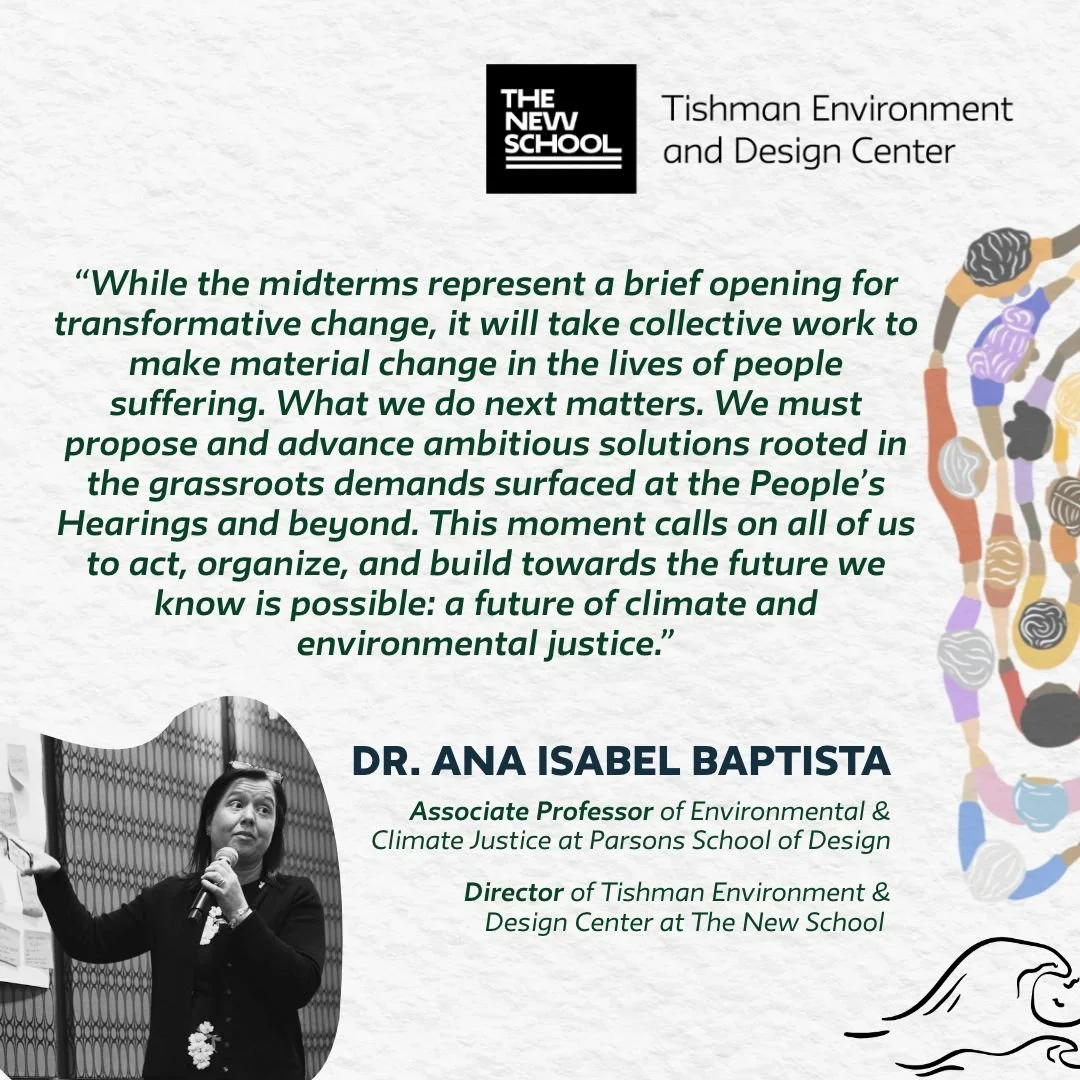
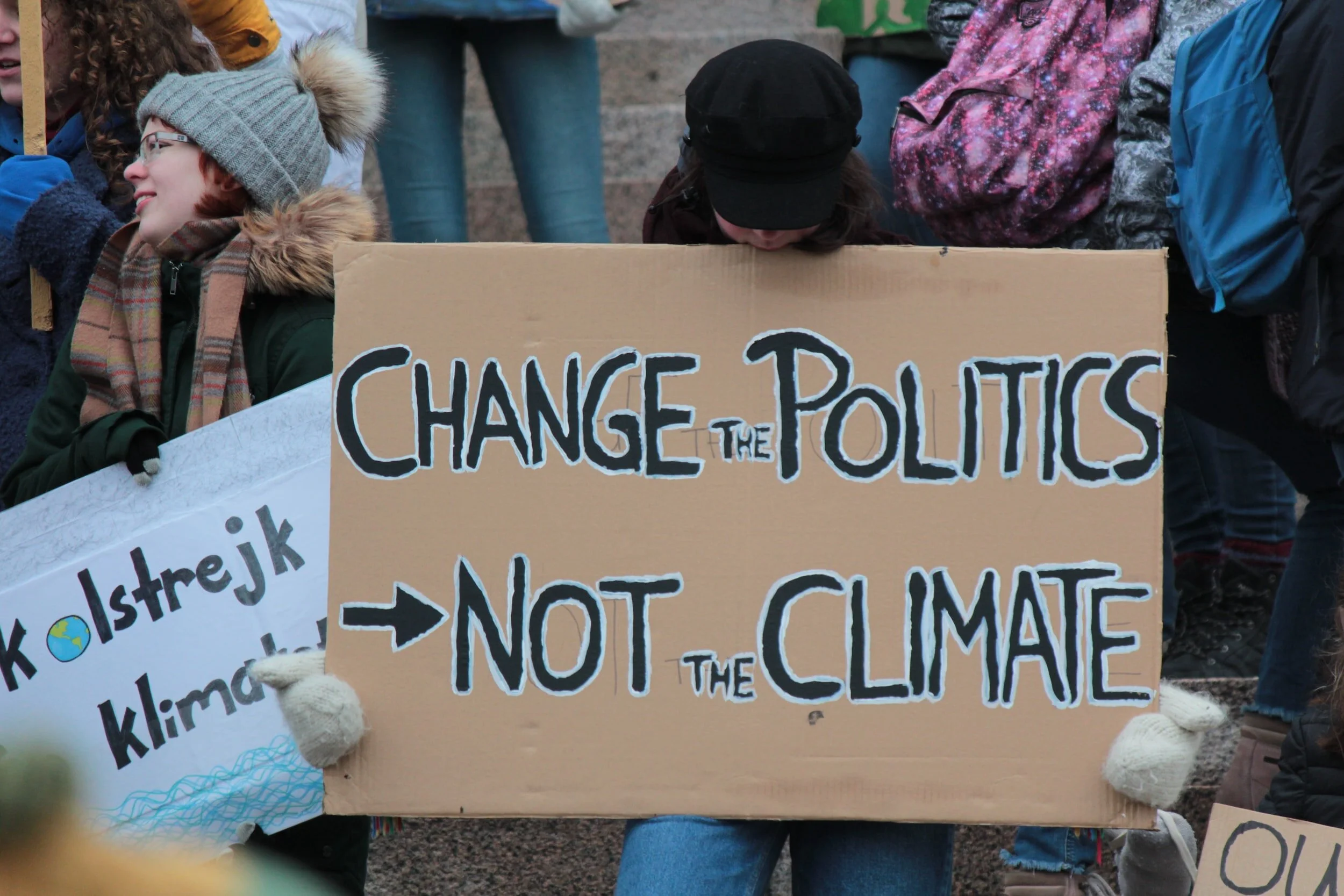
The midterm elections sent a sweeping message to elected officials: people want to take back control of our democracy and build a government of and by the people. This historic sentiment rippled across the country, from the U.S. Congress to record-making gubernatorial and mayoral elections.
Read MoreBy telling the story of Community First Fund’s innovative approach, we highlight the outcomes of their efforts and provide a replicable model and blueprint for others to follow—especially for those with the resources to do this work in the next four years. As the landscape of federal policy and investments continues to evolve, recent gains in support for environmental justice projects are already being threatened. The continued implementation of the federal Thriving Communities programs will undoubtedly face hurdles, necessitating further support and engagement with EJ groups and communities.
We hope this research report reflects recent achievements and calls on all EJ advocates to keep the momentum going. In this challenging new era, we must ensure that our stories inform and transform the policies and practices that affect our lives and our planet.
Read MoreAn article by Dr. Ana Baptista, Associate Professor and co-director of the Tishman Center, was recently published in the open-source book Toxic Heritage: Legacies, Futures, and Environmental Injustice (edited by Elizabeth Kryder-Reid and Sarah May).
Dr. Baptista’s chapter “Environmental Justice Tours: Transformative Narratives of Struggle, Solidarity, and Activism” reflects on the power of Environmental Justice (EJ) tours to symbolically and concretely counteract the marginalization of communities that live in frontline EJ communities.
Read MoreRecently Dr. Ana Baptista, our Co-Director, attended a symposium with environmental justice (EJ) leaders to discuss industrial carbon removal strategies in the United States of America. There were representatives from a number of organizations, including the Deep South Center for Environmental Justice, the Hip Hop Caucus, WE ACT for Environmental Justice, and others. The result of the symposium was the statement that is below this message.
Read MoreDr. Ana Baptista, co-director of the Tishman Center, has recently been featured on the Resources Radio podcast with host Margaret Walls. In Episode 219, “Environmental Justice and the Cumulative Impacts of Pollution”, Ana breaks down the definition of “cumulative impacts”, why they are a particularly tough problem for overburdened communities to combat, and how environmental justice movements have successfully pushed for greater cumulative impacts legislation in recent years.
Read MoreIn January 2023, Critical Planning published my article “Evaluating Meaningful Engagement Under Environmental Justice Mandates: A Case Study of California’s SB1000 Implementation in Santa Ana”. The article is connected to environmental justice (EJ) advocacy that fellow EJ organizers and I led in Santa Ana, CA.
Read MoreAs we are still in the midst of both a global pandemic that continues to affect the lives of everyone on the globe, multiple deadly conflicts in places such as Yemen, Syria, Ukraine and other locales, and the active stripping away of rights in the United States of America, we are glad to find inspiration and hope in the work of our student awardees. These students are dedicating time and effort to addressing not only environmental and climate injustice, but also advocating for democracy, civil rights, accessibility and methods to deal with trauma. We are proud to support the work of these amazing people and are happy to share their work with you. If you are interested in hearing more or want to further support their work, please feel free to reach out to us. And to all of the awardees, thank you for the time and commitment you put into your projects.
Read MoreThe last few decades have seen an exponential rise in the deployment of wind energy worldwide, mostly through the development of large-scale wind farms. Onshore wind is land-intensive: because wind energy is more dispersed than fossil fuel energy, it has significant spatial requirements, and with those requirements come an increasing number of conflicts—from the Americas to Asia, Africa, and Europe (Avila 2018). Two key features of these conflicts are pressures on land and patterns of uneven development, which create problems of space and justice (Avila 2018).
Read MoreTishman Environment and Design Center is proud to announce, with our partners, The Equitable and Just National Climate Forum, and the Center for American Progress, the release of a set of recommendations to the Biden-Harris administration for how they can effectively implement their commitment to environmental justice and the successful implementation of the Justice40 Initiative. The set of recommendations was developed with environmental justice (EJ) advocates, academic experts and national environmental groups.
Read More